2003 paperback documenting graffiti writers through photography and first-person interviews.
Category: Curated
File Under: #GraffitiCulture, #UrbanDocumentation, #SubculturalPublishing
Description
Published in 2003 by ECW Press, All-City: The Book About Taking Space documents graffiti writing as a spatial practice rather than a stylistic trend. Compiled by Paul Labonté (also known as Paul 107), the book combines colour photography with interviews from writers working across cities, rail lines, and neighbourhoods.
The material focuses on how graffiti operates: marking territory, responding to erasure, navigating risk, and moving through urban infrastructure after hours. Photographs capture tags, throw-ups, cross-outs, and larger pieces in situ, while accompanying texts describe process, repetition, and the conditions under which the work appears.
Produced at a moment when graffiti publishing was shifting from zines toward bound volumes, the book functions as both record and artifact—part visual archive, part oral history—preserving a form of activity that is designed to be temporary.
Within Clearance Archive, the book sits alongside other print documents that record subcultural use of public space without mediation or institutional framing.
2003 paperback documenting graffiti writers through photography and first-person interviews.
Category: Curated
File Under: #GraffitiCulture, #UrbanDocumentation, #SubculturalPublishing
Description
Published in 2003 by ECW Press, All-City: The Book About Taking Space documents graffiti writing as a spatial practice rather than a stylistic trend. Compiled by Paul Labonté (also known as Paul 107), the book combines colour photography with interviews from writers working across cities, rail lines, and neighbourhoods.
The material focuses on how graffiti operates: marking territory, responding to erasure, navigating risk, and moving through urban infrastructure after hours. Photographs capture tags, throw-ups, cross-outs, and larger pieces in situ, while accompanying texts describe process, repetition, and the conditions under which the work appears.
Produced at a moment when graffiti publishing was shifting from zines toward bound volumes, the book functions as both record and artifact—part visual archive, part oral history—preserving a form of activity that is designed to be temporary.
Within Clearance Archive, the book sits alongside other print documents that record subcultural use of public space without mediation or institutional framing.
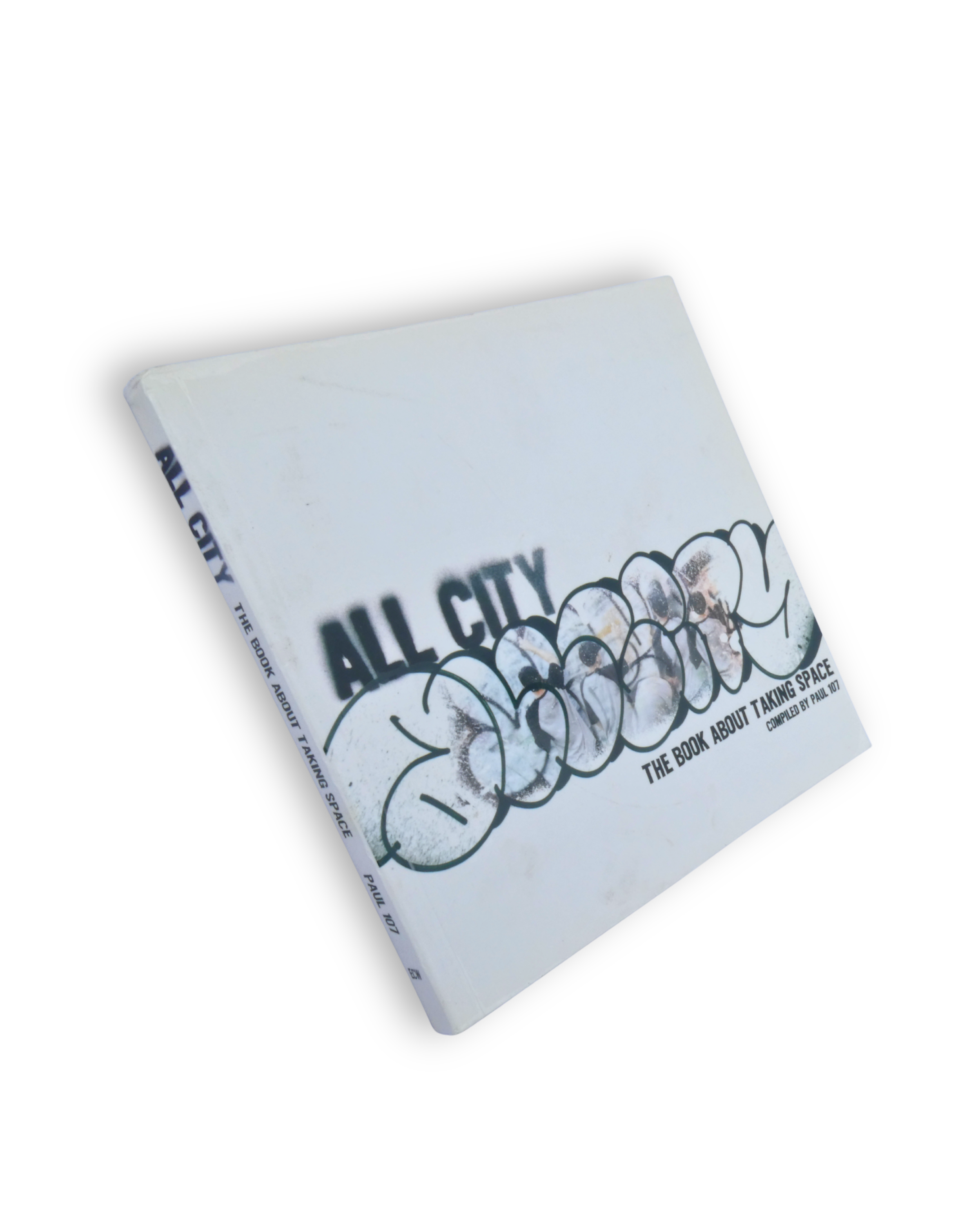 Image 1 of 5
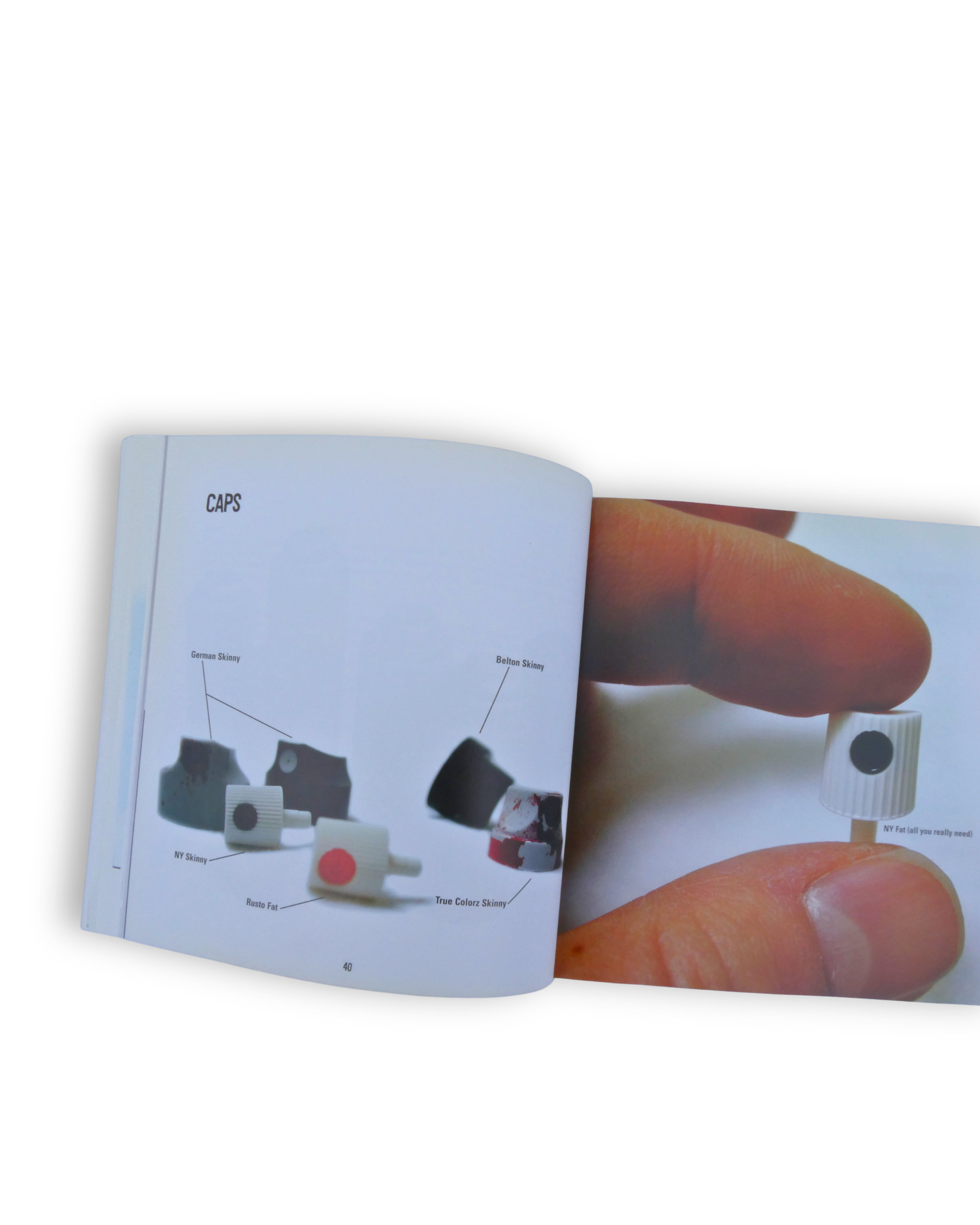 Image 2 of 5
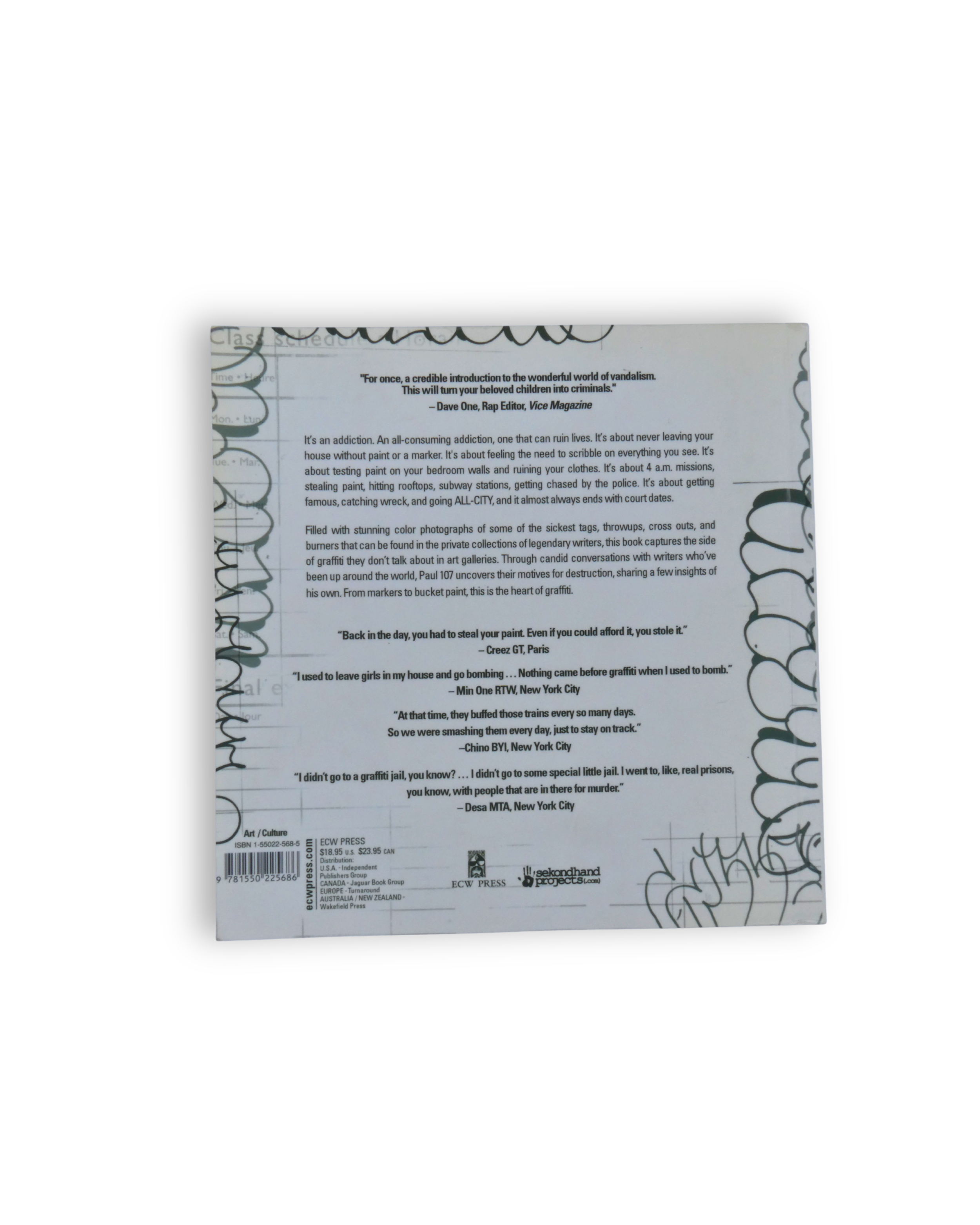 Image 3 of 5
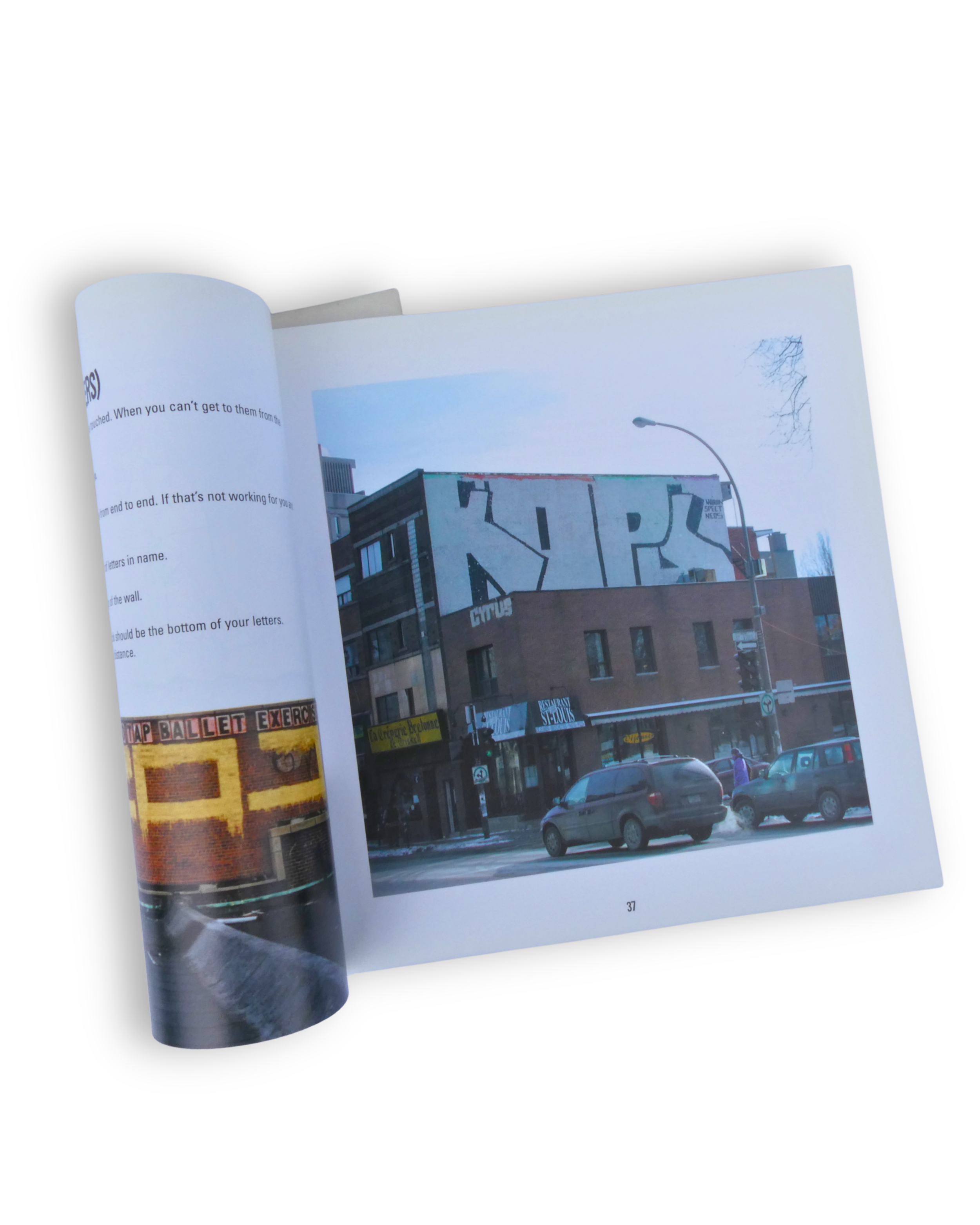 Image 4 of 5
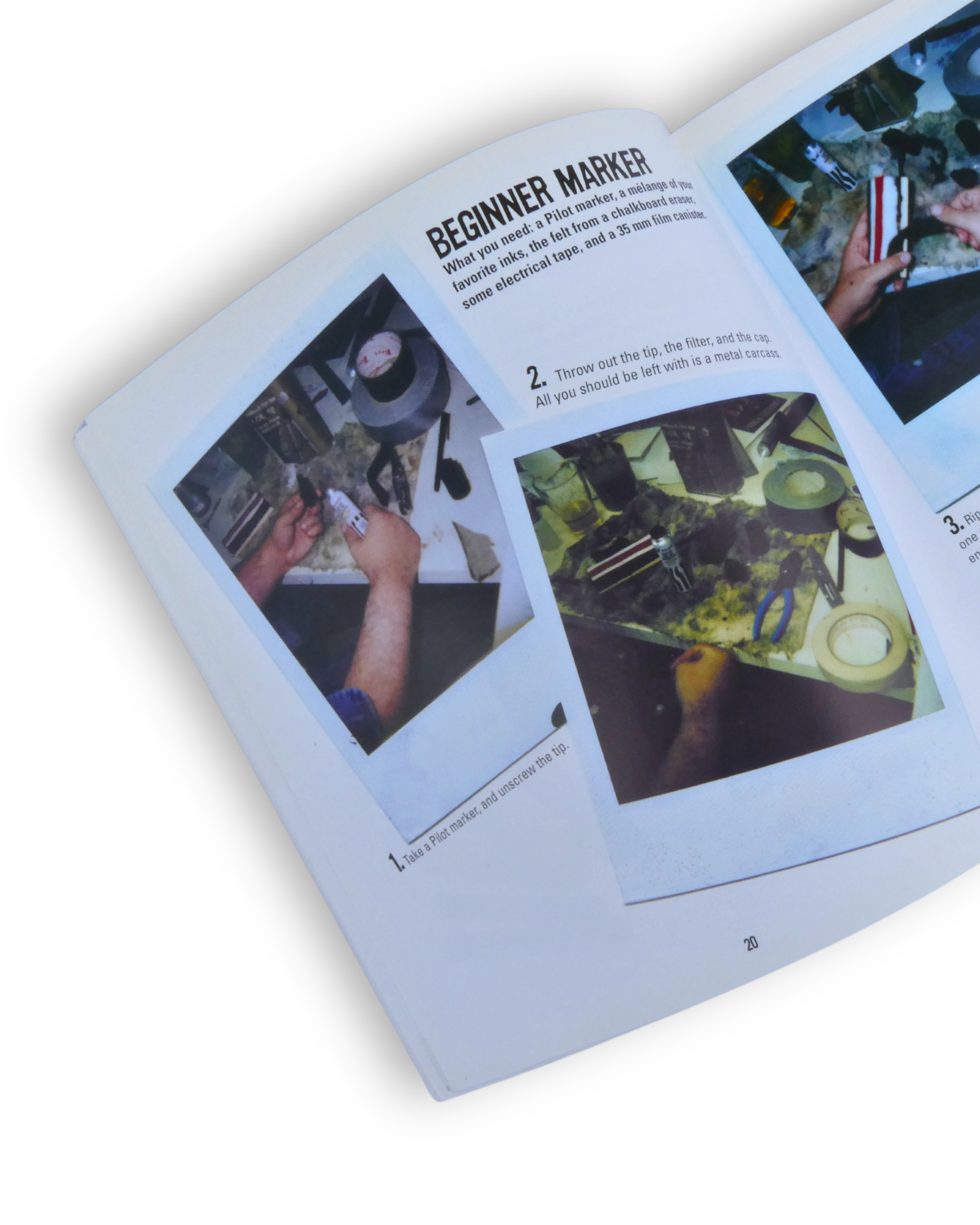 Image 5 of 5