Immortal Fabrics
Context
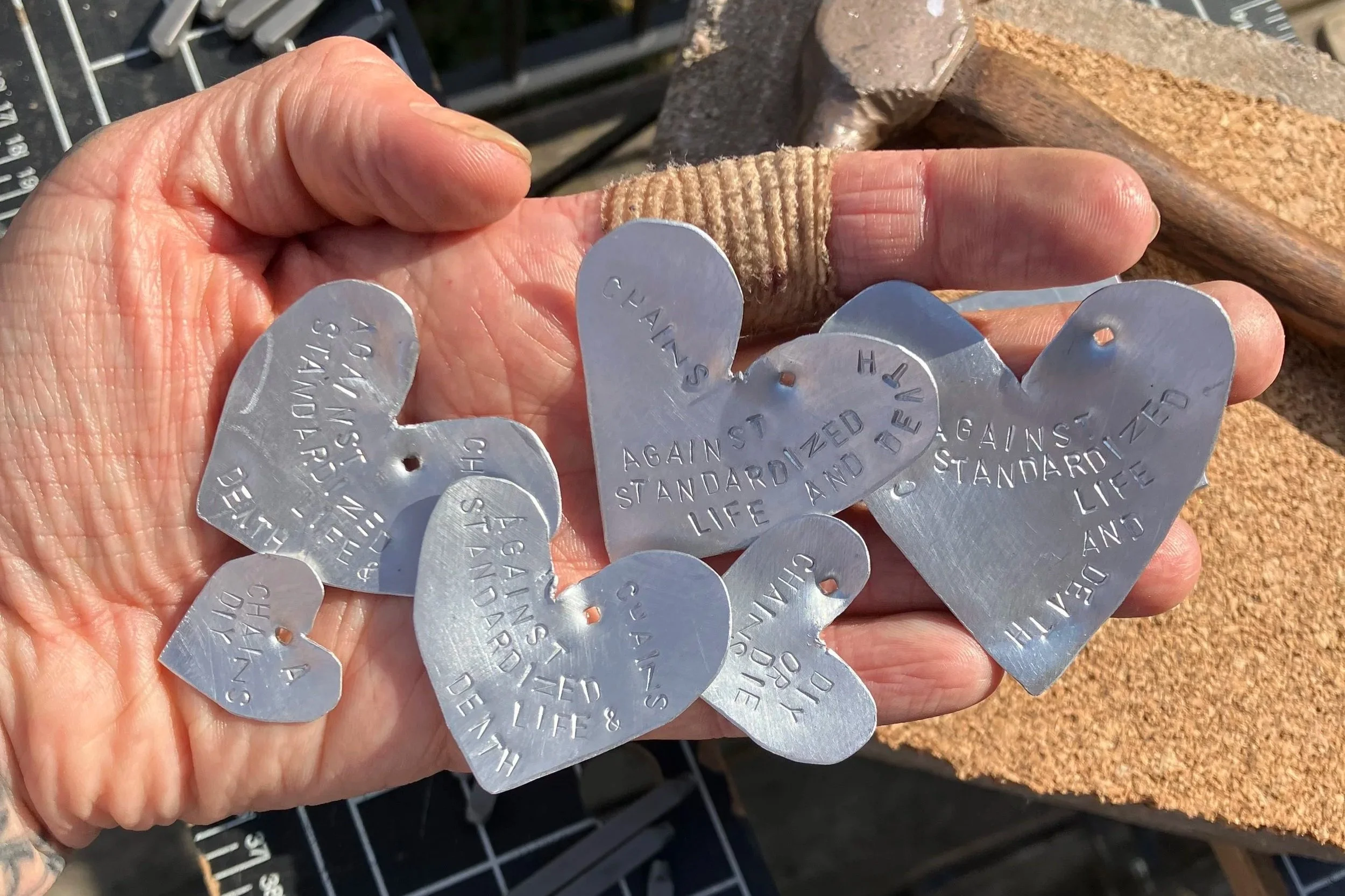
Immortal Fabrics is a daily material practice centered on looking, collecting, sorting, storing, and applying post-consumer materials. Garments are sourced through local surplus, secondhand circulation, and peer-to-peer exchange, gathered by foot or public transit and worked on by hand.
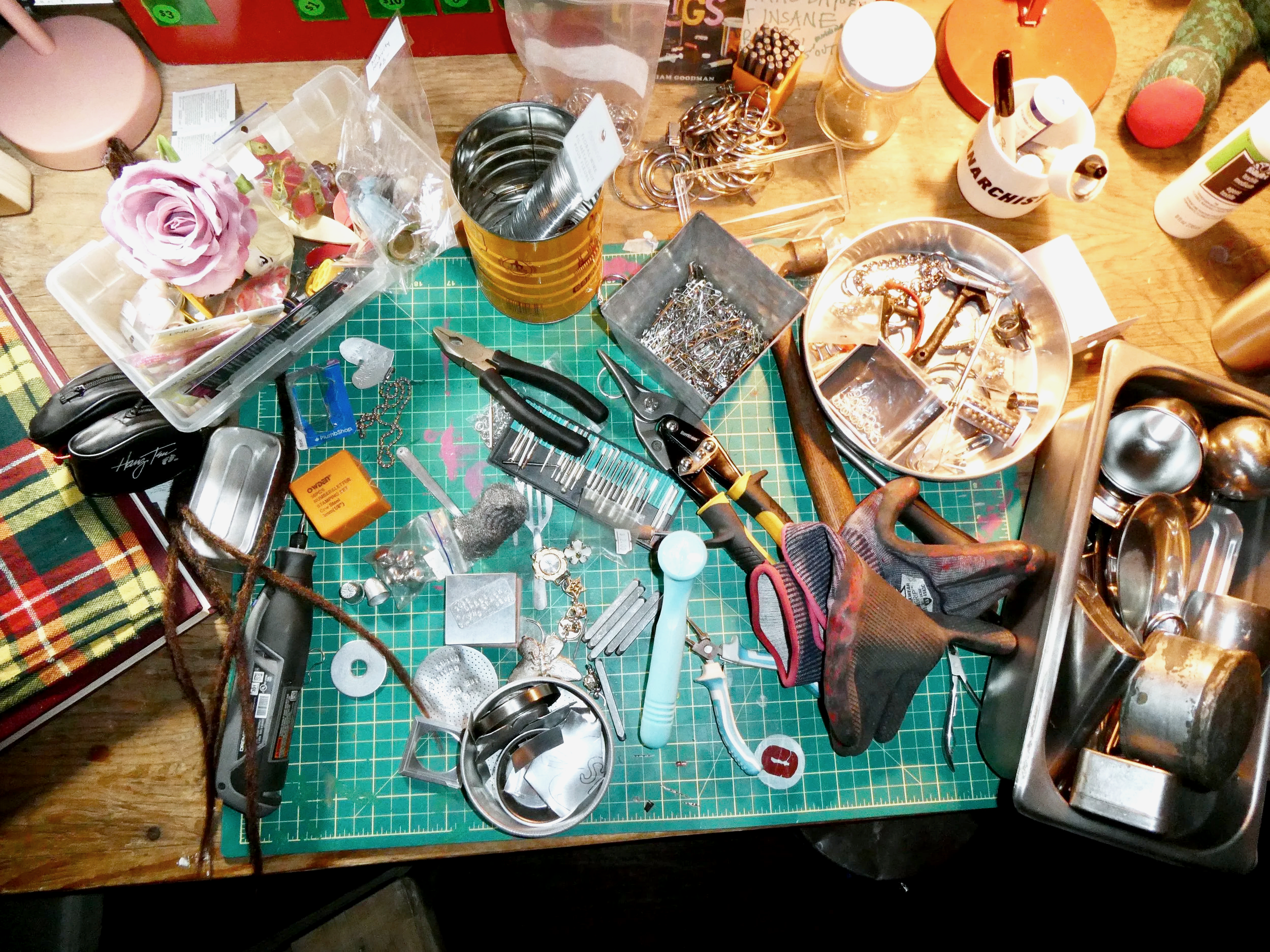
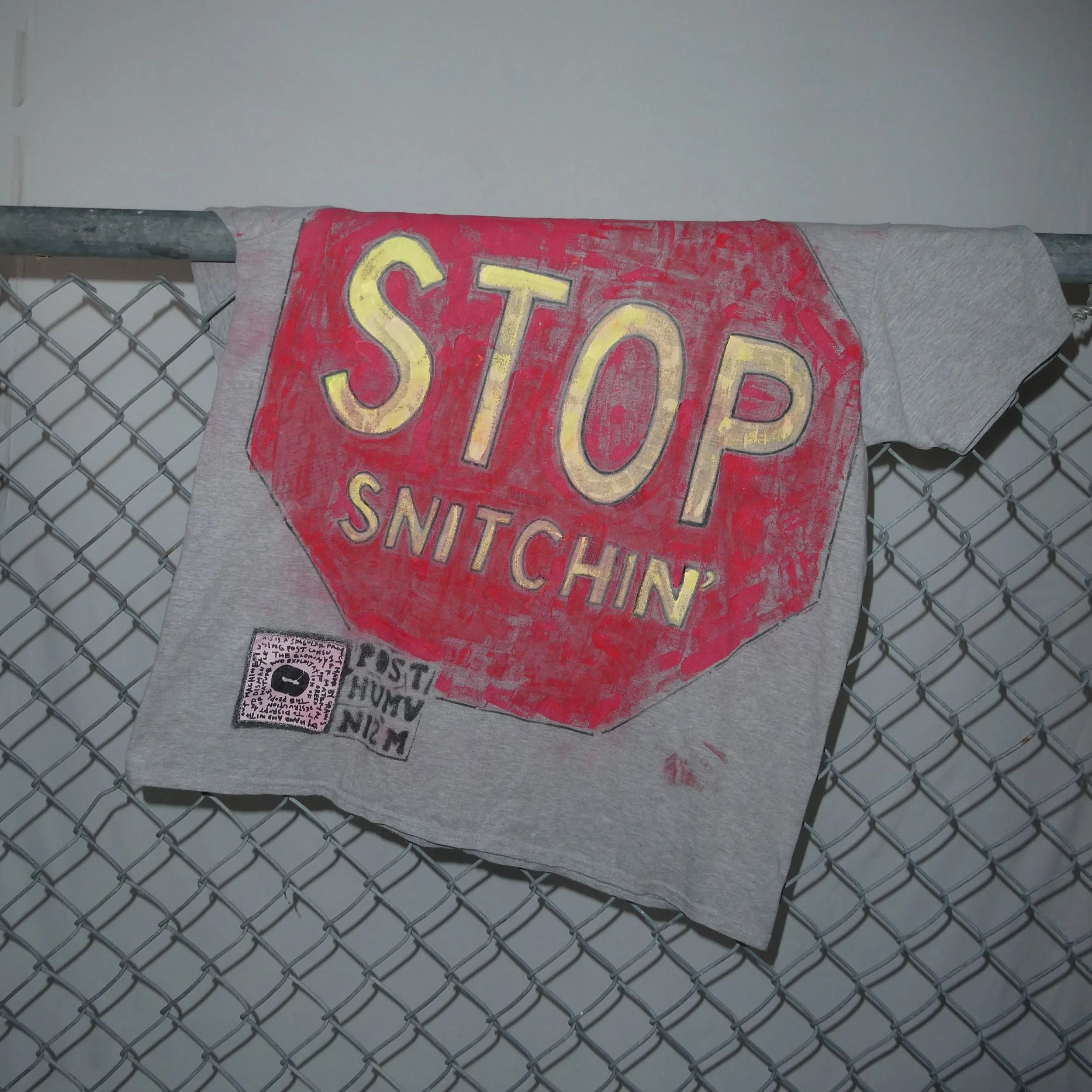
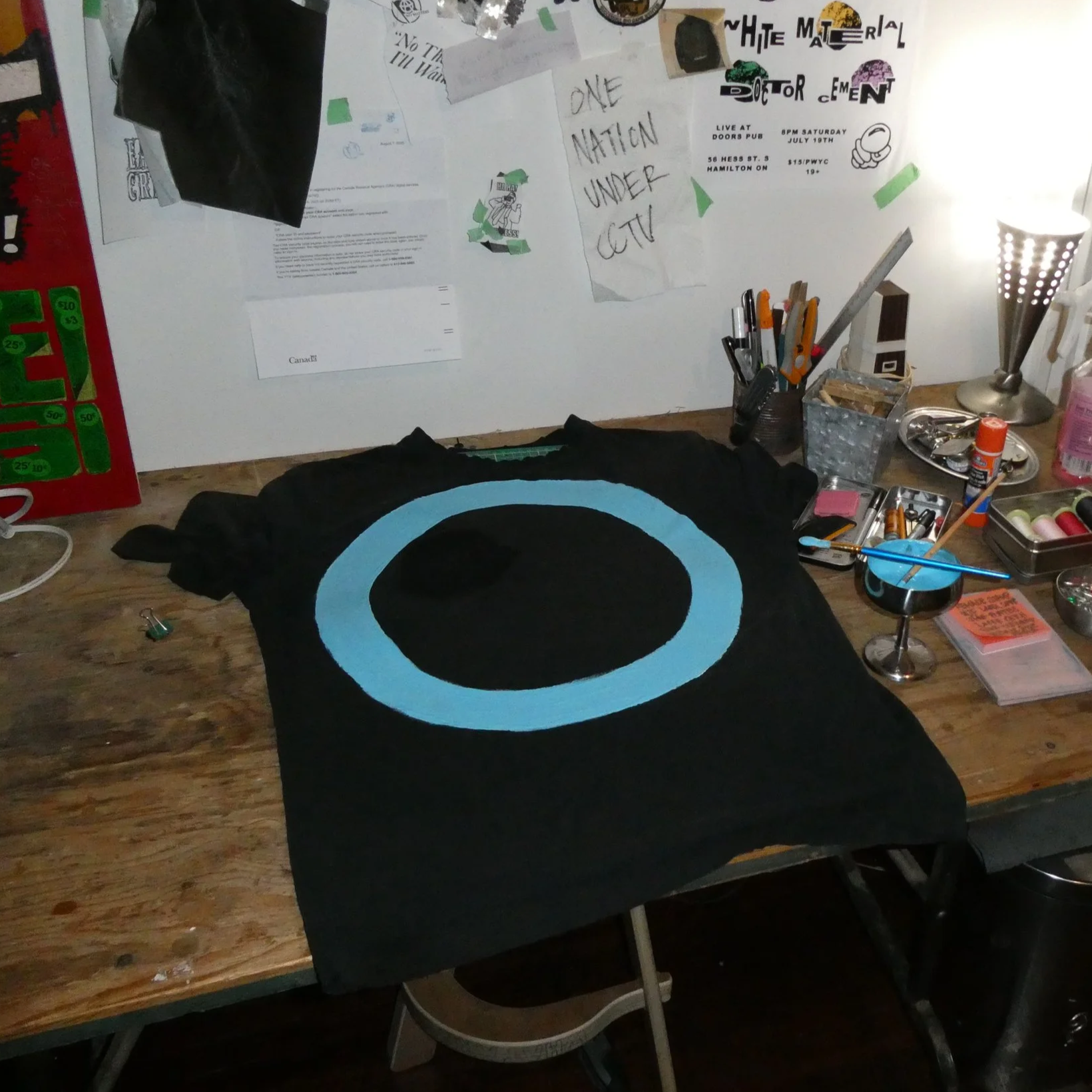
Each piece is designed through simple, non-industrial processes. Drawings are made on scrap paper, translated into cardboard stencils, and applied through hand painting, patchwork, and stitching. Only basic tools are used, including scissors, brushes, needle, and thread. No industrial machinery or sewing machines are employed.
Materials determine outcomes. Threads, paints, fabrics, and garments are used in whatever quantity exists locally. When materials are exhausted, the form ends. No design is replicated, scaled, or reissued.
Clothing is treated as part of a broader domestic system—alongside cookware, furniture, and storage—integrated into everyday life through maintenance and use rather than display.
Responsibilities
Local sourcing of post-consumer garments and materials
Hand design and pattern development using non-industrial tools
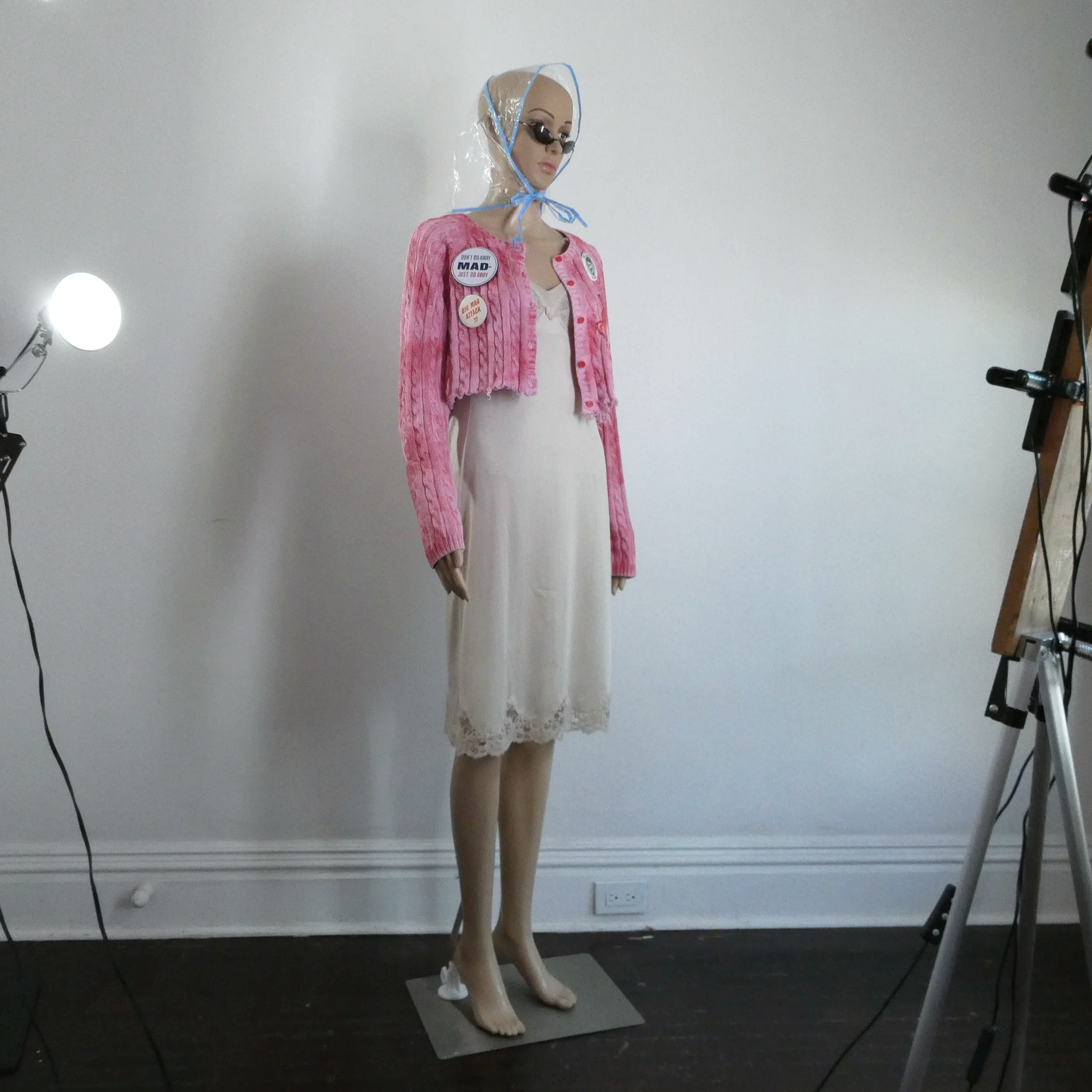
Garment repair, remaking, and surface treatment
Material sorting, storage, and inventory through daily practice
Documentation of process and outcomes
Afterlife
Immortal Fabrics does not produce collections or seasonal releases. Garments enter circulation through use, exchange, and long-term wear, accumulating repair and alteration over time.
The project continues as an ongoing practice rather than a finite body of work, informing Clearance Archive’s approach to material stewardship, value, and authorship under conditions of scarcity.
Reference Material
Clearance Archive — Immortal Fabrics Objects — Garments produced through the Immortal Fabrics practice, released into circulation as part of the ongoing archive.