Portal 3000
Context
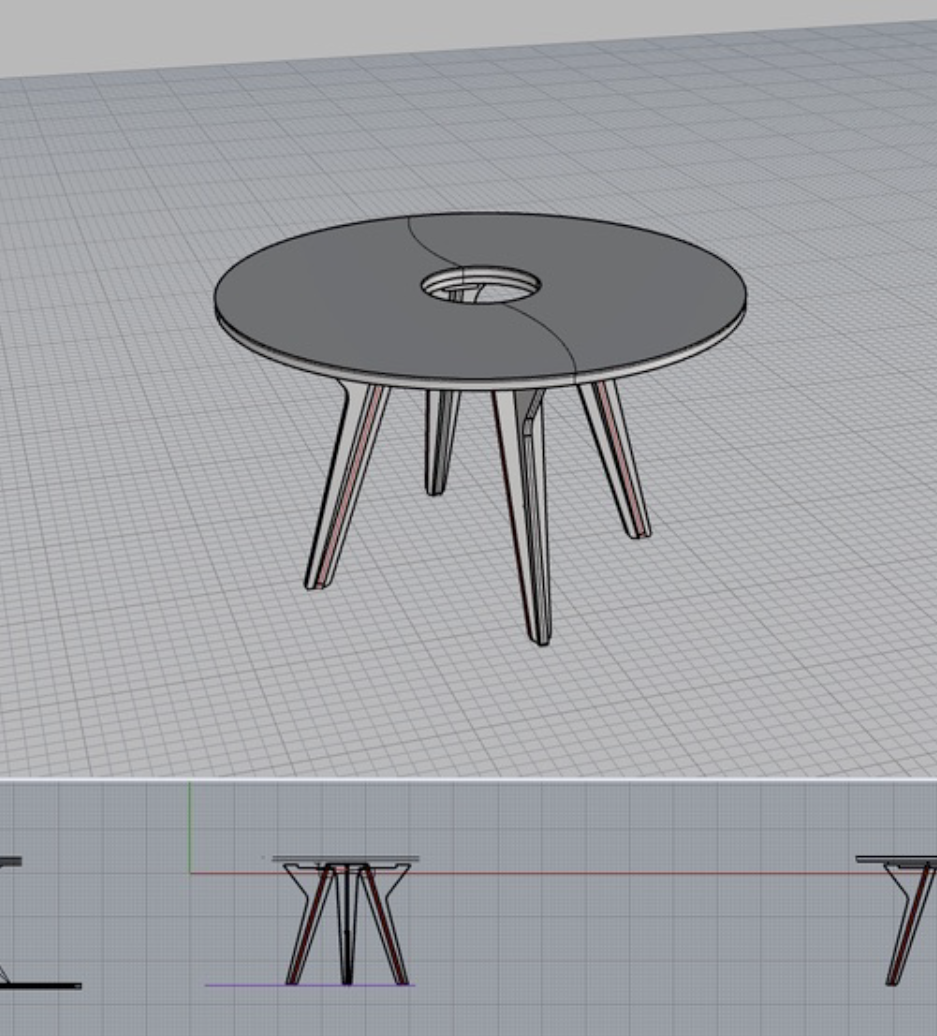
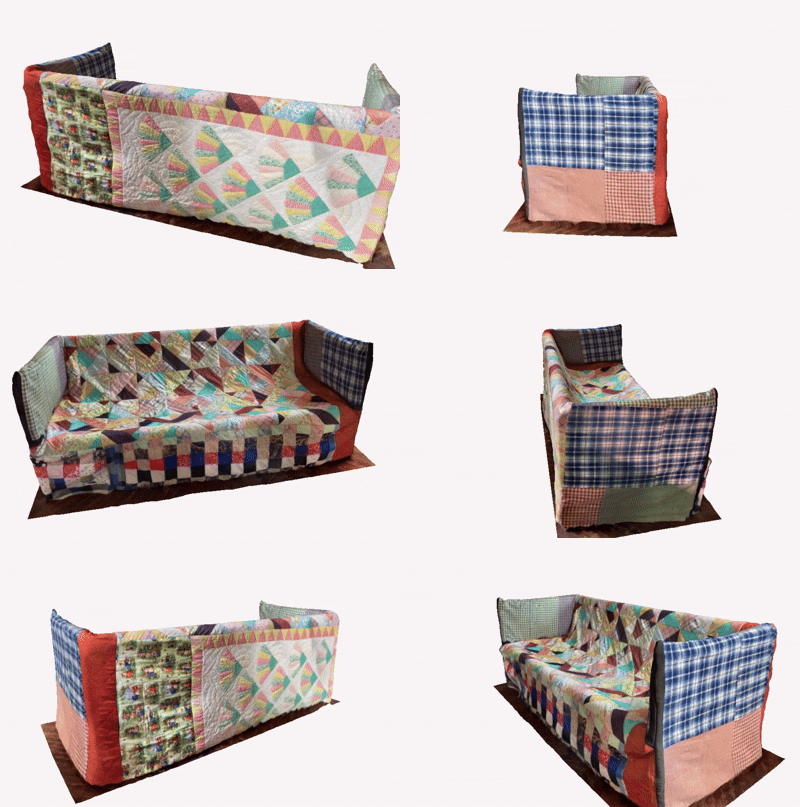
Portal 3000 operates as a speculative domestic environment composed of salvaged materials, functional objects, and rule-based systems. Elements within the space are designed to respond to use over time, accumulating wear, residue, and pattern rather than producing optimized outcomes.
Artificial intelligence is used selectively, not as an agent of automation, but as a mediator—introducing delay, uncertainty, and non-linear response into otherwise familiar domestic rituals. The system resists prediction and mastery, prioritizing maintenance over performance.
The work is intentionally incomplete. Portal 3000 evolves through repair, substitution, and reconfiguration, treating upkeep as a primary mode of authorship.
Responsibilities
Concept development and systems design
Spatial planning and installation
Fabrication using post-consumer and salvaged materials
Integration of AI-mediated decision systems
Documentation and iterative maintenance
Afterlife
Portal 3000 does not resolve into a finished state. Its primary output is a set of conditions—spatial, procedural, and symbolic—that can be re-entered, adapted, or dismantled without loss of coherence.
The project continues to inform Clearance Archive as a live testing ground for custodial logic: how objects are maintained, how systems age, and how meaning survives without optimization.