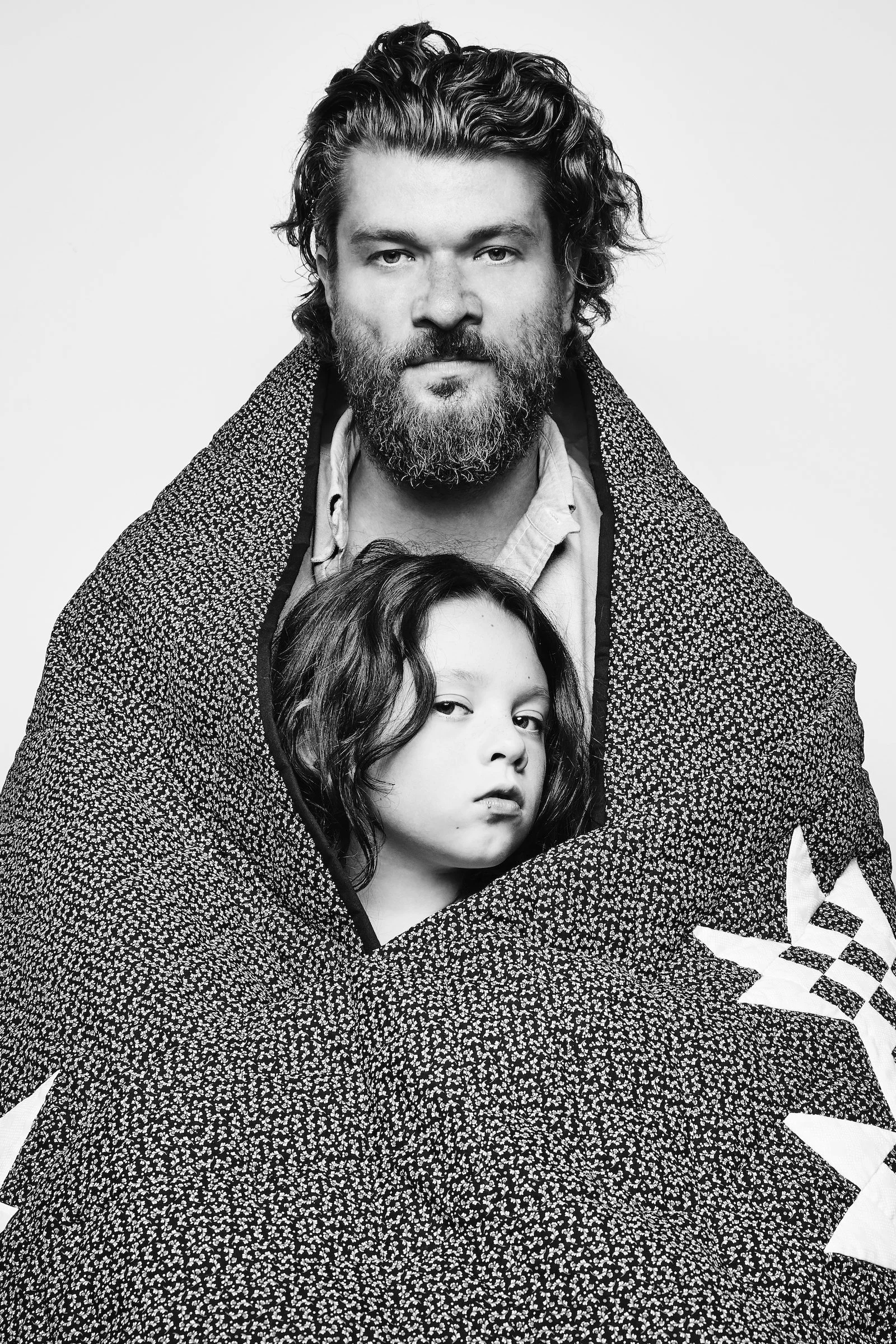
Quilt Study



Context
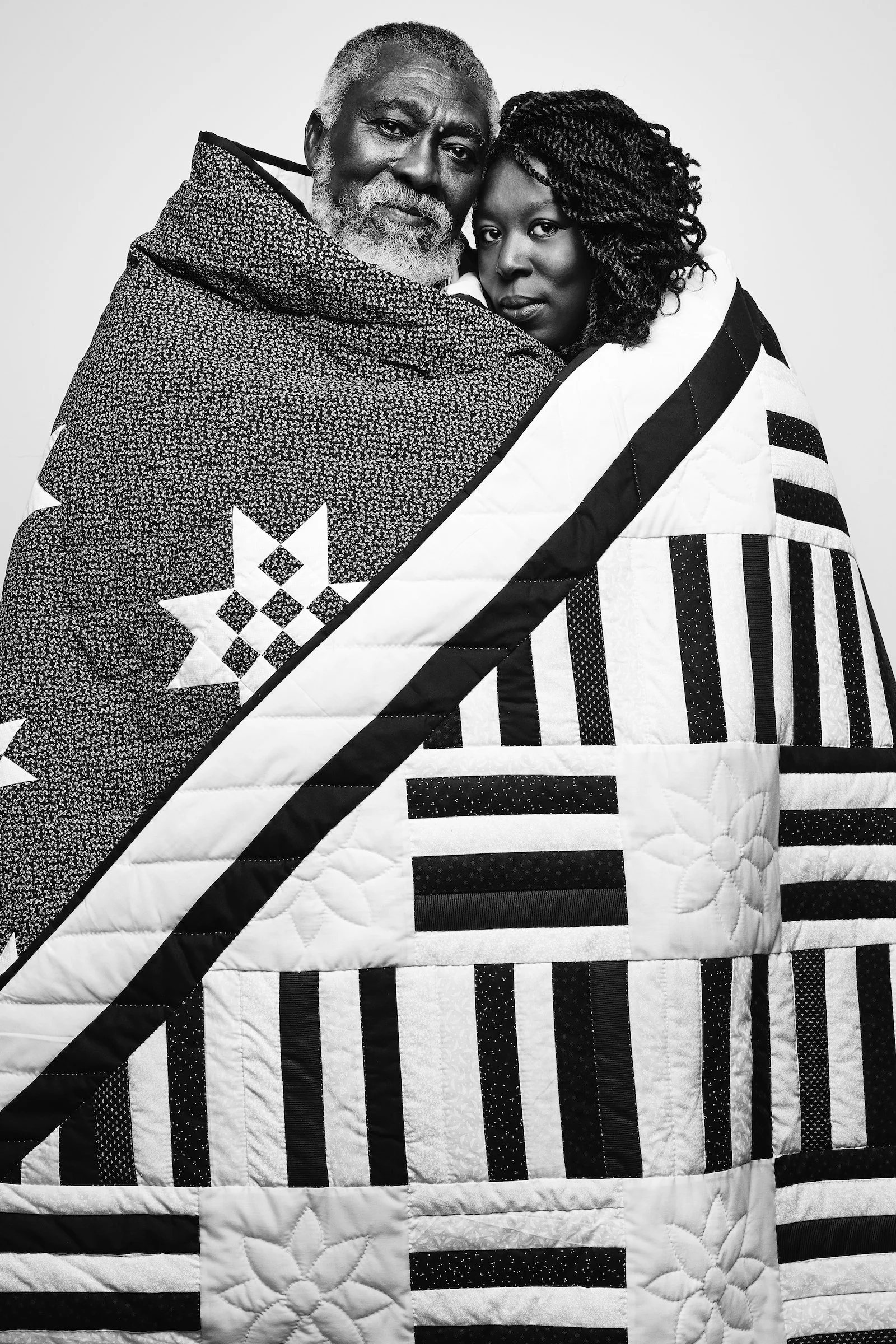
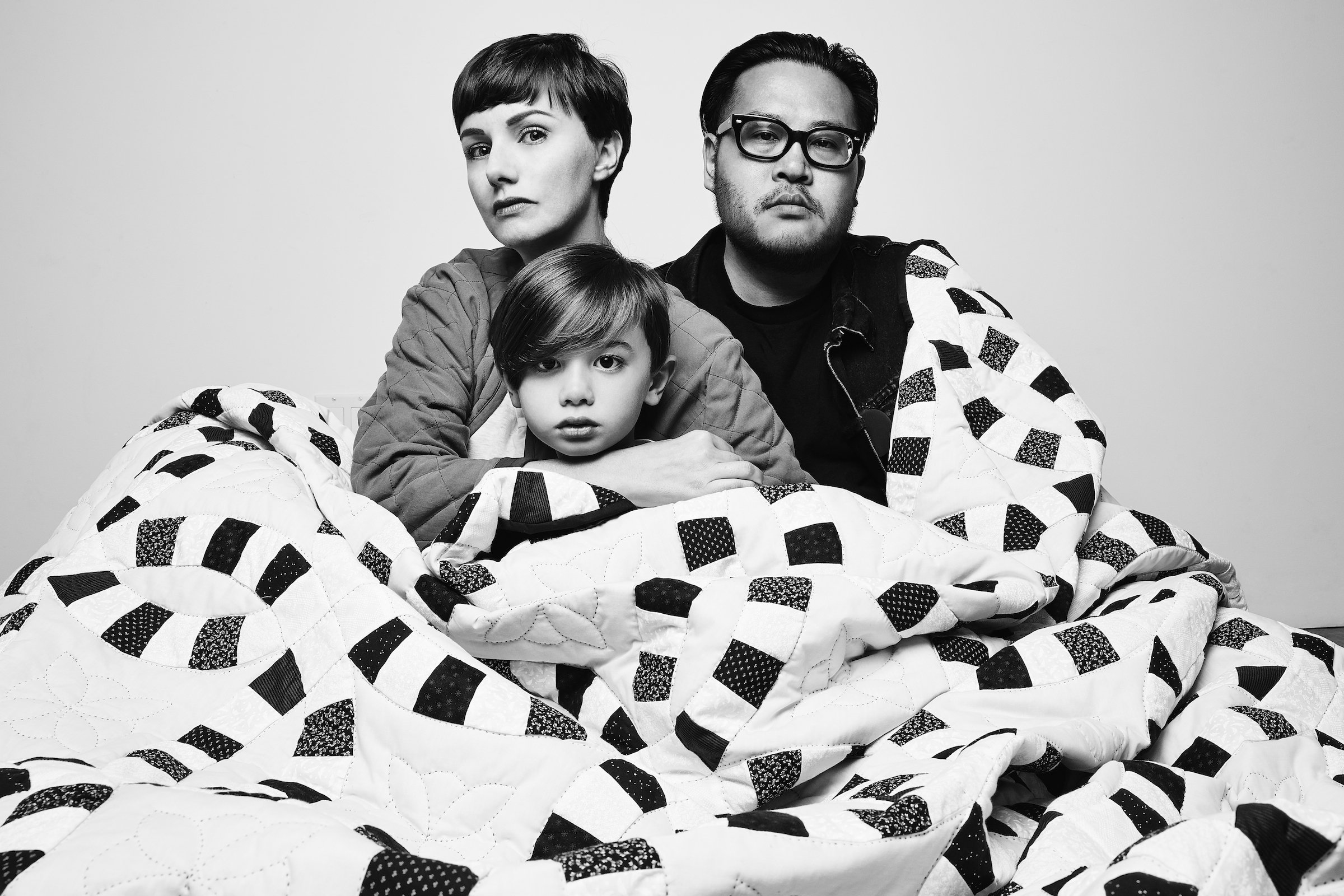
A series of quilts was produced using deadstock and headed-for-landfill textiles. All materials were sourced locally. Each quilt was sewn entirely by hand, without the use of machinery or electricity.
Work was carried out collectively through shared routines of cutting, assembling, stitching, and reinforcing. Decisions emerged through process rather than pre-planning, with pattern and form shaped by available materials and accumulated labor.
The quilts functioned both as usable domestic objects and as records of time, repetition, and care embedded in their construction.
The collection was photographed by Luis Mora and exhibited online, documenting the quilts in use and in proximity to the bodies they were made to cover.
Responsibilities
Material sourcing and preparation
Hand cutting and stitching
Pattern development through assembly
Participation in shared craft routines
Documentation and presentation
Afterlife
The quilts produced through this study entered domestic circulation rather than remaining fixed as display objects. Wear, repair, and continued use were treated as extensions of the work.
Quilt Study remains a foundational reference within the studio practice, informing later work concerned with material ethics, hand production, and non-industrial modes of making.